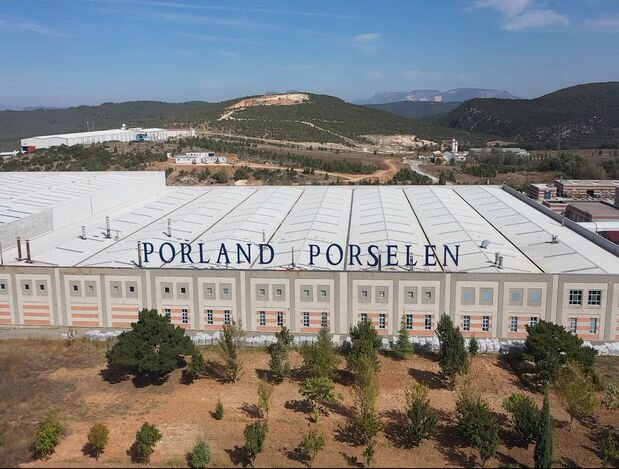
Porland’s Sustainability and Environmental Policy
Global climate change, which has become increasingly noticeable in recent years, continues to highlight the growing importance of protecting natural resources as well as effective environmental and waste management. Acting with an awareness of the need to adapt to changing climate conditions and to eliminate factors that threaten the environment, Porland is carrying out comprehensive initiatives within the scope of its sustainable environmental policy across water, paper, plastic, raw materials, oil, glass, medical waste, fuel, and energy management. With new practices planned to be implemented by the end of 2021, Porland aims to increase energy efficiency and improve waste separation processes.
The use of fossil fuels and environmental degradation has disrupted climate balance and accelerated the depletion of natural resources, making environmental and waste management efforts essential for a sustainable future.
As a leading brand in the porcelain industry, Porland continues its efforts to prevent environmental damage and ensure the efficient use of natural resources through its environmental and waste management policies.
Daily Savings of 300 Cubic Meters of Water Achieved
Stating that they identify environmental risks and work to eliminate their impact with an awareness of adapting to climate conditions, Porland Board Member İmge Pamukçu said: “In line with this approach, we established a wastewater treatment facility to protect vital resources, reduce water-related risks, manage resources efficiently, and regulate production processes. Through this facility, we recover 300 cubic meters of wastewater used daily in our factory and reuse the treated water in production, garden irrigation, and fire water reservoirs.”
76 Tons of Waste Paper Recycled
Emphasizing that they conduct regular energy consumption analyses to prevent energy losses and reduce fuel consumption, İmge Pamukçu continued: “We prevent carbon dioxide emissions through periodic flue gas emission measurements. As Porland, we take action to ensure waste is recycled in accordance with relevant regulations and standards without harming the environment, and disposed of properly when recycling is not possible. Within the scope of our waste management projects carried out in 2020, we achieved many positive outcomes.
Through our waste paper recycling efforts, we ensured the recycling of 76 tons of waste paper, preventing the cutting down of 1,292 mature pine trees.”
42 Tons of Waste Metal and 38 Tons of Waste Plastic Recycled
İmge Pamukçu also noted that they prevented the consumption of 2,432 tons of water, equivalent to the monthly usage of 228 households, and 311,600 kWh of electricity, equivalent to the monthly consumption of 1,520 households, thereby avoiding 106,400 cubic meters of greenhouse gas emissions. She added: “By recycling 42 tons of waste metal, we achieved savings equivalent to 8,405 tons of raw materials. Through the recycling of 38 tons of waste plastic, we saved 455,809 kWh of energy. By recycling 3,498 liters of waste oil, we prevented the contamination of 3.498 million liters of water and contributed to biodiesel production. Recycling 2,607 kilograms of glass waste resulted in savings of 261 liters of petroleum. Our medical waste is delivered to licensed disposal facilities, contributing to renewable energy production.”
Porland’s 2021 Environmental Policy Targets
Stating that Porland conducts extensive waste management efforts within the scope of its sustainable environmental policy and expands the scope of these efforts each year, Porland Board Member İmge Pamukçu said: “By the end of 2021, we aim to integrate ISO 14001 Environmental Management System and ISO 50001 Energy Management System certifications into our operations and establish an integrated management system. Through these systems, we aim to increase energy efficiency and improve waste separation. With initiatives we believe will further raise environmental awareness, we aim to reduce natural resource and energy consumption and lower flue gas emissions, including CO2 emissions.”