Tea is one of the most consumed beverages in daily life, and maintaining a clean teapot is essential for a pleasant tea experience. Limescale caused by hard water shortens the lifespan of the teapot and affects the taste of the tea. A limescale coated teapot is visually unappealing and does not provide hygienic use. In this guide, you will find everything from the causes of limescale, natural cleaning methods and preventive care to maintaining electric tea makers.
Why Does Limescale Form in a Teapot?
The main cause of limescale buildup is the minerals in tap water. Hard water with high calcium and magnesium levels causes limescale to accumulate more quickly. As the water boils and evaporates, minerals bind to the inner surface of the teapot and gradually form a solid layer. With each use, this layer becomes thicker.
Limescale dulls the appearance of the teapot and reduces heat conductivity, increasing energy consumption. A limescale covered base takes longer to boil water and uses more energy. When brewing tea, water passing over limescale may leave a slightly bitter taste. Without regular maintenance, the teapot’s lifespan decreases and hygiene problems may arise.
Natural Ingredients Used for Limescale Removal
Using natural and safe ingredients for limescale removal protects your health and extends the lifespan of your teapot. Lemon, vinegar, baking soda, salt and potato peels are effective and easy to find in the kitchen. Lemon and vinegar have strong acidic properties that dissolve limescale. Baking soda foams and helps lift residue from the surface. Salt enhances the cleaning effect of vinegar. Potato peels offer a quick and simple solution for mild limescale.
These natural ingredients leave no chemical residue. After cleaning, rinsing the teapot with fresh water is enough. This ensures an eco friendly and economical cleaning method.
Cleaning Teapot Limescale with Lemon and Baking Soda
Using lemon and baking soda together is one of the most effective methods for limescale removal. Lemon softens the residue, while baking soda foams and detaches it. Fill the teapot halfway with water, squeeze fresh lemon juice into it and bring it to a boil. Once the water boils, add two tablespoons of baking soda and boil for a few more minutes. Empty the teapot and scrub the inside with a sponge before rinsing.
This method also restores the shine of dull surfaces and leaves a pleasant fresh scent. When applied regularly, the teapot maintains its clean appearance for a long time.
Removing Limescale with Vinegar and Salt
Vinegar alone is highly effective for removing stubborn limescale. When combined with salt, its cleaning power increases even more. Fill the teapot with equal parts water and vinegar, then add one tablespoon of salt. Bring the mixture to a boil and observe how quickly the limescale dissolves. After boiling, empty the teapot and rinse several times with clean water.
This method is ideal for teapots that have not been cleaned for a long time. Vinegar acts as a natural disinfectant and eliminates unpleasant odors, restoring the pure taste of tea.
A Practical Tip Using Potato Peels
Potato peels are a lesser known but highly practical limescale cleaning method, especially for new or thin layers of buildup. Add a few potato peels and water to the teapot and boil. The natural starch in the peels helps lift the residue without harsh chemicals.
When used regularly, this prevents thick layers of limescale from forming and keeps the teapot clean for longer.
Step by Step: How to Clean a Limescale Coated Teapot
Follow these simple steps to restore your teapot to its original shine:
• Fill the teapot halfway with water.
• Add your preferred natural ingredient such as lemon, vinegar, baking soda or potato peels.
• Bring the teapot to a boil and let it sit for 10 to 15 minutes.
• Empty the water.
• Scrub the inside with a sponge.
• Rinse thoroughly with fresh water.
• Wipe dry to prevent water stains.
Repeating these steps regularly prevents permanent limescale buildup and ensures your tea always tastes fresh.
How to Clean Limescale from Electric Tea Makers?
Electric tea makers also accumulate limescale over time, reducing their performance. Avoid chemical cleaners, as harmful residues may mix into the water. The safest approach is using vinegar or lemon juice. Add one cup of vinegar to the water tank, fill the rest with water and run the device. After boiling, rinse several times with clean water. The same process can be done with lemon juice.
This removes limescale effectively and extends the lifespan of the appliance.
How to Prevent Limescale Buildup in a Teapot
Although limescale cannot be fully prevented, it can be reduced with simple habits. Using filtered or bottled water is helpful. Avoid leaving boiled water in the teapot for long periods. Empty and lightly rinse the teapot after each use.
Cleaning once a month with natural methods prevents thick layers from forming and keeps the teapot in good condition.
After Cleaning: Tips and Things to Watch Out For
After cleaning, rinse the teapot thoroughly. Acidic ingredients like lemon or vinegar may alter the taste of tea if not rinsed properly. Wipe the teapot dry to avoid water spots. A microfiber cloth helps prevent streaks on metal surfaces.
For electric tea makers, boil clean water a few times after descaling to remove all residues.
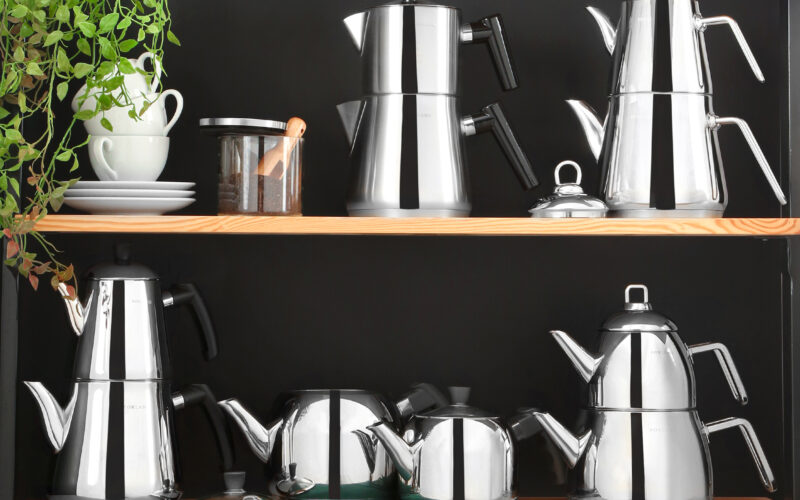
By following these methods, you can enjoy tea without limescale and maintain a clean, fresh teapot. You can also explore Porland’s teapot collection to add durable and elegant products to your kitchen.