When preparing a table, the atmosphere created by the plates and bowls is just as important as the taste of the food. Whether for daily breakfast settings or special gatherings, the decision between porcelain and ceramic directly affects the look of the table and the comfort of use. To make the right choice, factors such as production process, aesthetic qualities, hygiene and long term durability should be evaluated in detail.
What Are Porcelain and Ceramic? Basic Definitions and Production Processes
Porcelain is a refined type of ceramic fired at very high temperatures. Its raw materials include kaolin, feldspar and quartz, which strengthen the structure and give porcelain its characteristic white color and slightly translucent appearance. These qualities make porcelain thin but strong and always elegant on the table.
Ceramic is fired at lower temperatures and uses different proportions of minerals. It has a more porous structure, a matte surface and natural color tones that create a warm and inviting atmosphere. Ceramic is often preferred for everyday use because it retains heat well and adds coziness to the table.
Both materials originate from clay. However, firing time, mineral composition and kiln temperature lead to significant differences in hardness, durability and appearance. Understanding the mood you want to create at the table helps determine whether porcelain or ceramic is the better choice.
Physical Properties: Durability, Porosity and Heat Resistance
Porcelain has a dense and compact structure with very low porosity. Its surface does not absorb water, which reduces staining and supports hygienic use. Its strong resistance to impact makes it suitable for everyday meals. Despite its delicate appearance, porcelain maintains its form for long periods.
Ceramic, on the other hand, is more porous and therefore more sensitive to moisture and external factors. However, its thicker structure helps retain heat, making it ideal for soup bowls and hot beverages. Ceramic keeps food warm for longer, creating a comfortable dining experience.
In terms of heat resistance, porcelain adapts well to microwaves, ovens and dishwashers. Ceramic requires more careful handling and is sensitive to sudden temperature changes. For example, ceramic should not be exposed to cold water immediately after leaving a hot oven. These differences help guide the choice based on how the tableware will be used.
Aesthetic Qualities: Texture, Color, Shine and Style
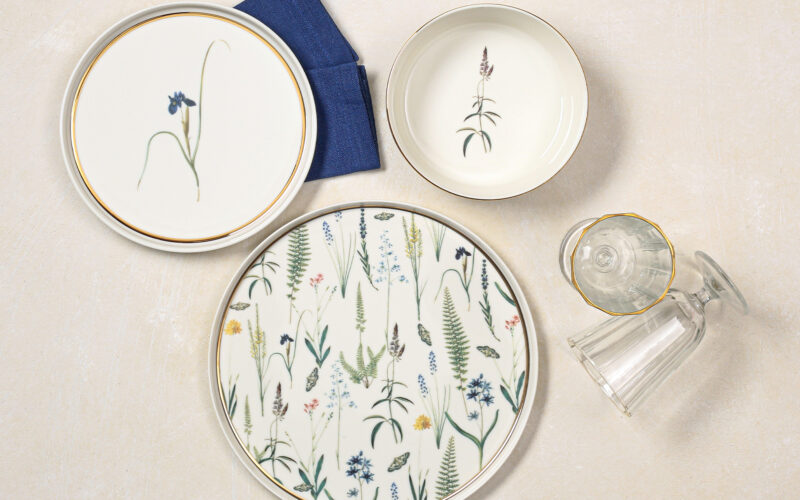
Porcelain adds refined elegance to the table with its smooth and glossy surface. Its ability to reflect light enhances the visual appeal of the dishes. White porcelain plates provide a clean and modern look suitable for both daily meals and formal gatherings.
Ceramic stands out with its matte texture, natural color transitions and handcrafted appearance. It brings warmth and authenticity to the table. Earthy tones, pastels and gently textured surfaces make ceramic ideal for rustic, bohemian and country style table settings.
Porcelain suits minimalist, modern or classic tables. Ceramic works best for natural, warm and cozy presentations. Evaluating both the material and the desired style makes choosing between them easier.
You can explore Porland’s plate collection to find designs that best reflect your personal taste and add the aesthetic touch you want to your table.
Purpose of Use: Daily Meals or Special Occasions?
The purpose of use plays a key role when selecting tableware. For daily settings, practicality, easy cleaning and long lasting durability matter most. Porcelain takes the lead here due to its robust structure and stain resistant surface. Plates used every day should be easy to clean and retain their original form.
For intimate breakfasts or friendly evening gatherings, ceramic tableware creates a warm and inviting atmosphere. Its natural texture enhances the coziness of the table.
For special occasions and formal dinners, elegance becomes the priority. Porcelain is the ideal choice thanks to its thin structure, glossy surface and sophisticated designs. It elevates the visual presentation of any dish. Ceramic can also be used for such events when a warm and natural ambiance is desired.
Hygiene and Cleaning: Stain Resistance and Compatibility with Microwave and Dishwasher
Porcelain is highly resistant to stains due to its dense surface. Even after contact with oil or colorful sauces, it cleans easily. Its dishwasher and microwave compatibility makes it practical for daily use. Regular washing is enough to maintain long term hygiene and no additional care is required.
Ceramic requires more careful cleaning because of its porous structure. Liquids or oil residues may accumulate over time, so it is recommended to clean ceramic items soon after use. Some ceramic pieces are dishwasher safe, but others should be washed by hand. Microwave compatibility varies depending on thickness and glaze type.
Both materials can last for many years when cleaned properly. Regular washing, complete drying and mindful use help maintain their original appearance.
Price Performance and Longevity: Material Cost, Maintenance and Value Retention
Porcelain is generally more expensive due to its demanding production process. However, its long lifespan and durability balance the cost over time. Ceramic is usually more affordable but requires more careful use.
To find tableware that meets both your budget and aesthetic expectations, you can explore Porland’s plate and bowl collections.
Environmental and Health Considerations: Materials, Chemicals and Sustainability
Porcelain and ceramic are both made from natural, clay based materials and are considered environmentally friendly. They do not leave harmful residues and help reduce the need for single use products due to their long lifespan. This supports a sustainable lifestyle and minimizes resource waste.
The safety of the glazes and dyes used in production is also important. Low quality products may contain heavy metals or harmful chemicals. Choosing reliable brands ensures that the surfaces in contact with food are safe and healthy.
Porland uses environmentally conscious production methods that protect both nature and consumer health. Energy efficient systems, non toxic glazes and sustainable raw materials make Porland products a safe and eco friendly choice for the table.
Which One Is Better for Which Situation? A Comparative Summary
Porcelain and ceramic serve different needs at the table. They differ in durability, aesthetics, ease of use and price range. The right choice depends entirely on expectations and purpose.
| Needs / Expectations | Porcelain | Ceramic |
| Long lifespan and elegance | Thin yet durable structure, glossy surface and refined appearance make it ideal for formal tables. | Shorter lifespan compared to porcelain but maintains its aesthetic look with careful use. |
| Natural and rustic appearance | Stands out on more modern and minimalist tables. | Matte texture, natural colors and earthy tones create a warm atmosphere. |
| Daily practical use | Resistant to stains, easy to clean, compatible with dishwasher and microwave. | Requires more care and attention during cleaning and use. |
| Budget friendly choices | May be more costly but long term durability makes it advantageous. | Offers more accessible price options and is budget friendly. |
Buying Guide: Key Points to Consider
Choosing between porcelain and ceramic requires more than focusing on appearance. Durability, ease of use and stylistic harmony should all be taken into account. Small details during purchase help ensure long lasting use and a balanced table design.
Important points to consider include:
• Avoid pieces with cracks, rough patches or color inconsistencies. These flaws reduce product life.
• Check microwave and dishwasher compatibility, especially for daily use.
• Choose thickness and design according to purpose. Durable models for daily meals, elegant ones for special occasions.
• Ensure harmony with table accessories. Select plates and bowls that match your table concept.
• Consider heat resistance for serving hot dishes or oven to table use.
• Prefer products with safety and hygiene certifications.
• Ensure the size matches your table. Oversized or undersized plates disrupt visual balance.
• Balance budget with long term durability. Long lasting pieces are more cost effective over time.