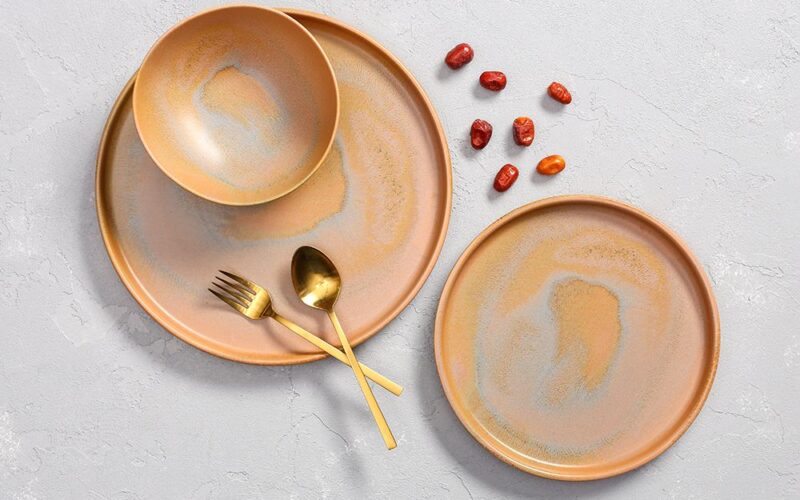
Plate presentation is an important detail that enhances the visual appeal of dishes and adds elegance to the table. Beyond the art of cooking, presenting a delicious meal in an aesthetic way also matters. Preparing elegant plates is an enjoyable process that allows you to showcase your creativity and sense of style. The presentation tips below can help you offer your guests an unforgettable experience and display your dishes like works of art.
Do Not Choose Plates That Are Too Large or Too Small
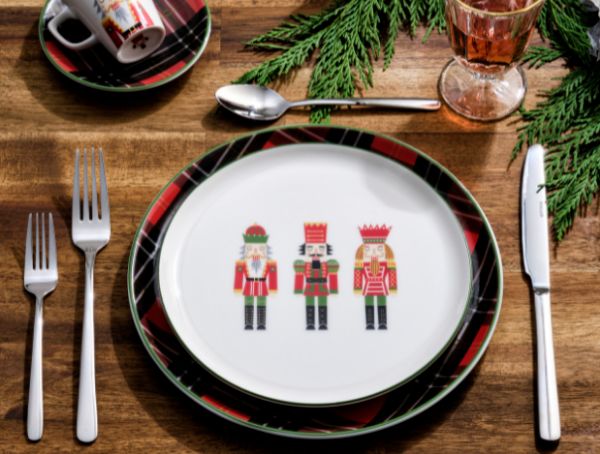
One of the most important points to consider when preparing elegant presentations is plate selection. Plates that are either too large or too small can negatively affect both table aesthetics and food presentation. Choosing the right plate size is therefore essential.
Using overly large plates can make the food appear insufficient or visually lost. Guests often evaluate a dish based on its presentation, looking for visual satisfaction and balanced portions.
On the other hand, very small plates can make serving difficult and may prevent the dish from being presented properly. The plate should be large enough to comfortably hold the food and highlight its components.
Selecting the right plate size helps present your food aesthetically and enhances its perceived quality. Medium-sized plates are generally ideal for most dishes.
Wipe Away Any Splashes or Drips
While placing food on the plate or during serving, it is possible for food to accidentally spill onto the edges of the plate. These spills can disrupt the appearance of the plate and weaken the overall presentation. Food residues on the rim may also come into contact with surrounding surfaces and require cleaning.
For this reason, it is important to be careful while plating or serving and to immediately wipe away any food that lands on the plate edges. This simple step makes the presentation more appealing and ensures that your guests find the dishes more appetizing.
Avoid Overdoing the Presentation
Food presentation enhances visual appeal and contributes to a pleasant dining experience. However, overly elaborate presentations can sometimes overshadow the true flavor of the dish and overwhelm the eye.
To avoid excess, opt for simple and elegant presentations. Focusing on the main flavors and offering natural, fresh visuals is key. Complex and heavily decorated presentations may detract from both taste and simplicity.
The plates, glasses, and table linens you choose should complement the character of the food and enhance its flavor. Natural colors and harmonious combinations are often sufficient to achieve a refined table setting.
Use Sauces as Decorative Elements
Sauces are an excellent way to enhance the visual appeal of food presentation. They add both flavor and color, making dishes look more refined. By drizzling sauces around or over the plate, you can create a more elegant and eye-catching presentation.
When choosing sauces, consider colors that match or contrast with the dish. Texture is also important. Some dishes work better with smooth, flowing sauces, while others pair well with thicker, creamier textures.
You can use squeeze bottles or small pouring tools to create thin lines or controlled drops. This allows you to apply sauces precisely and create desired patterns.
Sauces can be poured directly over the food to highlight its main components, or around the plate to frame the presentation and add visual interest.
Include Carbohydrates, Protein, and Vegetables on the Plate
Including carbohydrates, protein, and vegetables on the same plate is a core principle of balanced nutrition and also contributes to an elegant presentation.
Carbohydrates:
Carbohydrates are the main energy source of a meal and should have a place on the plate. Foods such as pasta, rice, or bread can serve as one of the main components.
Proteins:
Proteins are essential for a healthy diet and should not be overlooked. Meat, chicken, fish, eggs, and legumes make meals more satisfying and complete.
Vegetables:
Colorful and varied vegetables add both nutrition and visual appeal. They enrich the plate, increase vitamin and mineral intake, and enhance the overall presentation.
Combining these elements creates a visually attractive plate while supporting a balanced diet. Using different colors and textures adds elegance and interest, helping you impress guests while maintaining healthy eating habits.
Never Use Plates with Chipped or Broken Edges
When presenting food, plate edges should never be chipped or cracked. Cracks or breaks on the rim can ruin the presentation and create an unpleasant visual impression. Using flawless, intact plates shows care and attention when serving a thoughtfully prepared meal.
Broken or cracked plates may also cause spills or stains around the food. In addition, they make it harder to present dishes neatly and safely.
For this reason, always choose sturdy and undamaged plates for food presentation. If you notice cracks or chips, it is better to replace those plates or use them for non-serving purposes.
Why Should You Use a Presentation Plate?
Using a presentation plate is essential for serving food in an organized and aesthetically pleasing way. There are several important reasons for this:
Visual Appeal:
Presentation plates make dishes more attractive and visually striking. A carefully selected plate enhances the appearance of the food and provides guests with a pleasant visual experience.
Organization and Aesthetics:
Presentation plates help maintain order around the food. Placing items randomly can make the presentation look messy and distract from the dish itself. Presentation plates allow you to arrange components thoughtfully and keep the overall look refined.
Portion Control:
Presentation plates are useful for portion control. Serving food on plates of a specific size helps offer appropriate portions and reduces waste.
Professional Appearance:
Using proper presentation plates creates a professional look and feel. In many settings, presentation is just as important as taste, and the right plate contributes significantly to that impression.