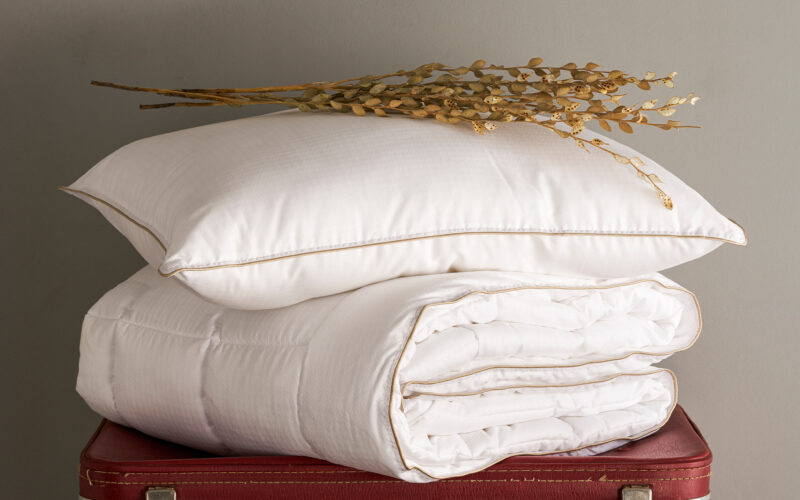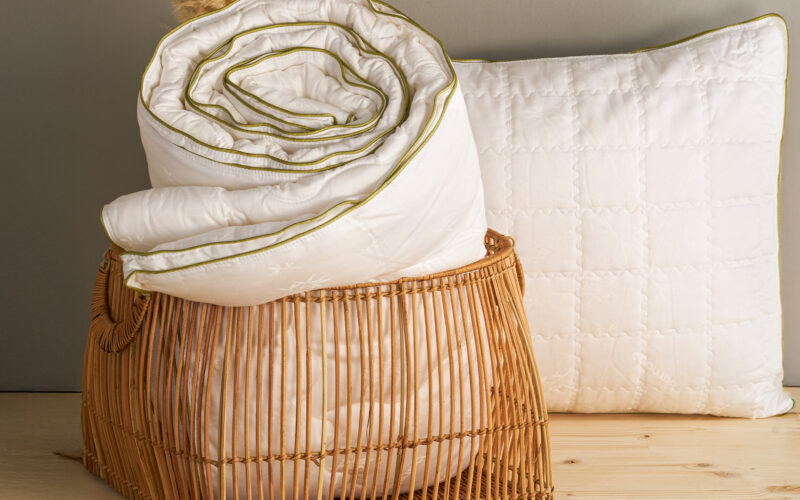
A good night’s sleep is essential for maintaining energy, wellness and vitality throughout the day. One of the most influential factors shaping sleep quality is choosing the right duvet. An unsuitable duvet can lead to sweating, chills, shortness of breath or general discomfort during the night. A well chosen duvet enhances the sleep experience with materials that match the season, personal needs and health conditions.
Why Health Matters When Choosing a Duvet
Keeping body temperature balanced during sleep is vital for maintaining uninterrupted and restorative rest. The wrong duvet disrupts this balance and causes sleep fragmentation. For individuals with allergies, asthma, sensitive skin or chronic conditions, duvet selection is closely linked to overall health.
A high quality duvet reduces sweating, prevents allergen accumulation and supports a breathable sleep environment. This is why health considerations should be prioritized before aesthetics or price.
Duvet Fillings: Natural and Synthetic Materials
Filling material is a major determinant of comfort and well being. Natural fillings such as cotton, wool, bamboo, silk and down are preferred for their breathability. They regulate body heat effectively and tend to have long durability. Synthetic fillings are more affordable, lightweight and easy to clean.
Natural materials help reduce sweating, while synthetic options can be manufactured with hypoallergenic properties for sensitive users. The best choice depends on health conditions, climate and cleaning habits.
Comparing Cotton, Wool, Bamboo, Silk and Down Duvets
Filling type has a direct impact on sleep comfort. Below is a closer look at five popular natural options to help you identify the right fit for your needs.
Cotton Duvets
Cotton duvets offer breathability that reduces sweating and provides a fresh sleep environment, especially in warmer months. Their moisture absorbing structure balances excess heat and supports comfortable movement due to their lightweight feel. Cotton is a natural, skin friendly and hypoallergenic material.
Another advantage is washability. With proper care, cotton duvets remain hygienic for long periods. They offer coolness in summer and ideal warmth during transitional seasons.
Wool Duvets
Wool retains heat effectively, making wool duvets ideal for cold climates and winter months. They naturally regulate moisture, allowing comfortable sleep even for those who tend to sweat.
Wool is also known for its durability. It lasts for many years with proper care. Cleaning requires more attention and is usually recommended through professional dry cleaning. For those looking for sustained warmth and comfort, wool is a reliable option.
Bamboo Duvets
Bamboo stands out with its antibacterial properties and is suitable for users prone to allergies. It provides a soft, lightweight and comfortable feel throughout the night. Bamboo fibers balance humidity and significantly reduce sweating.
As an environmentally friendly material, bamboo appeals to users seeking sustainable choices. It can usually be washed regularly and offers practicality in maintaining hygiene.
Silk Duvets
Silk duvets enhance sleep quality with their luxurious texture and lightweight structure. Natural silk fibers absorb moisture quickly and help keep the skin dry. This is a significant advantage for people with sensitive skin.
Silk regulates temperature effectively and maintains coolness in summer and warmth in winter. It is durable but requires delicate care. Dry cleaning is generally recommended. Silk is an excellent choice for creating an elegant and refined bedroom atmosphere.
Down Duvets
Down provides some of the highest insulation among natural fillings. It is ideal for cold climates and delivers warmth without heaviness. The lightweight structure creates a cocoon like comfort while maintaining consistent heat.
Down duvets have long life spans when properly maintained. They must be aired regularly and may not be suitable for people with feather allergies. They are preferred by those who want hotel level comfort at home.
Seasonal Duvet Selection: Summer, Winter and Transitional Periods
Choosing a duvet based on the season ensures comfortable sleep all night long. During summer, cotton, bamboo and lightweight silk duvets are ideal due to their breathable structures. In winter, wool and down fillings provide strong insulation and warmth.
For transitional seasons, medium weight cotton or breathable synthetic duvets offer stable comfort against temperature fluctuations.
TOG, Weight and Density: What These Technical Values Mean
TOG (Thermal Overall Grade), weight and filling density determine a duvet’s insulation performance. Low TOG values indicate suitability for warm seasons. High TOG values reflect strong heat retention for winter. Weight expresses how heavy the duvet feels. Higher weight generally means thicker and warmer filling.
Density refers to how tightly the filling is packed. High density duvets trap more heat, while low density ones support a cooler sleep atmosphere. Considering these values helps identify the right option for personal needs and climate.
Special Options for Allergy, Asthma and Sensitive Skin
Individuals with allergies, asthma or sensitive skin require more careful duvet selection. Hypoallergenic duvets that protect against dust mites and microorganisms offer safer sleeping environments. Cotton and bamboo fillings are preferred for their natural antibacterial properties.
Synthetic duvets designed with special hypoallergenic fillings are also available. Washability is important because regular cleaning helps maintain hygiene and reduce allergen exposure.
Duvet Care: Cleaning, Washing and Hygiene
Regular care extends a duvet’s lifespan and maintains hygiene. Duvets should be aired a few times a year, preferably in sunlight. Cotton and bamboo duvets can usually be washed in a machine on low heat. Wool and down options should be cleaned through professional dry cleaning.
Proper drying is essential. A damp duvet can develop mold inside the filling. Well maintained duvets provide long term comfort and remain healthier to use.
Size, Weight and Fit: Essential Details for Comfort
Choosing a size that fits the bed contributes significantly to overall comfort. A duvet that is too small cannot fully cover the body. Oversized duvets may sag excessively over the sides and feel uncomfortable.
Weight also matters. Very heavy duvets can restrict movement, while light or medium weight options offer balanced coverage. Selecting the right size based on bed dimensions and personal preference enhances sleep quality.
Price, Performance and Long Term Value
Price is an important factor, yet low cost products can wear out quickly or fail to meet health standards. Investing in well made duvets provides long term value.
Natural fillings are generally more expensive but they offer superior comfort and durability. Synthetic duvets are budget friendly and convenient for frequent washing. A balanced choice based on needs and budget leads to healthier and more satisfying use.
You can explore Porland’s duvet collection to find the most suitable option for your sleep quality and choose long lasting and comfortable alternatives with ease.