Porcelain and ceramic are important materials that are frequently used in daily life as well as for various artistic and industrial purposes. Although these two materials are sometimes used interchangeably, there are in fact significant differences between them. The difference between ceramic and porcelain becomes clear in terms of material composition, production process, and areas of use.
What Is Porcelain?
Porcelain is a type of ceramic produced by mixing high-quality, carefully selected raw materials in specific proportions. It is generally made by processing natural minerals such as feldspar, kaolin, and quartz through a precise production process. The characteristics of these raw materials play a key role in determining the final properties of porcelain.
Porcelain goes through a special manufacturing process. First, the raw materials are ground into a very fine powder. These powders are then shaped under specific temperature and pressure conditions using pressing techniques. The formed porcelain objects are fired in kilns at very high temperatures. This firing stage is extremely important for achieving porcelain’s hardness, durability, and translucency. After cooling, porcelain products may be further enhanced with special painting or decorative techniques.
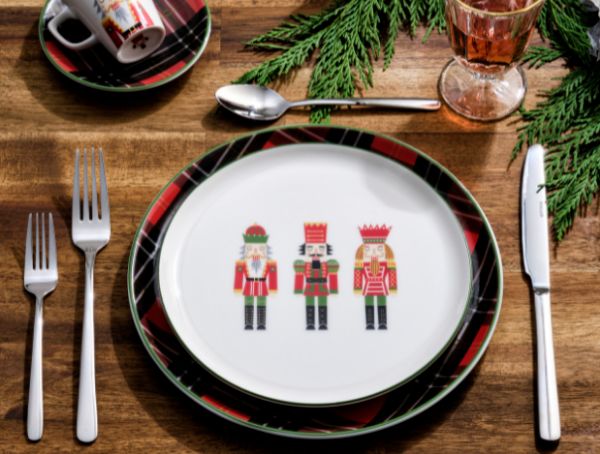
One of the distinguishing features of porcelain is its very low water absorption rate. Thanks to this property, porcelain is non-porous, does not absorb liquids, and resists staining. For this reason, it is widely used in kitchenware and dinnerware production. Its elegant and glossy surface also makes porcelain a preferred material for decorative and aesthetic products. Vases, figurines, decorative plates, and many artistic objects are commonly made from porcelain.
The durability, hardness, and refined appearance of porcelain set it apart from other ceramic types. Because of these qualities, porcelain items are often chosen as long-lasting and valuable gifts. Porcelain’s high quality and aesthetic value also make it a respected material in the art world. Its rich history shows that porcelain has made significant contributions to traditional and cultural heritage across many regions of the world.
What Are the Characteristics of Porcelain?
The main characteristics of porcelain include:
Hardness:
Porcelain is a hard material obtained through high-temperature firing. This hardness ensures long-lasting use.
Durability:
Porcelain is highly resistant to external factors. Its resistance to scratches and impacts makes it suitable for daily use.
Water Resistance:
Porcelain has a very low water absorption rate. It does not absorb liquids and is highly resistant to moisture, making it ideal for kitchenware and dinnerware.
Stain-Resistant Surface:
Due to its low porosity, liquids spilled on porcelain surfaces are unlikely to leave stains, making it easy to clean.
Chemical Resistance
Porcelain is resistant to chemicals. Contact with acids or bases does not cause deformation or discoloration.
Thermal Shock Resistance:
Porcelain can withstand sudden temperature changes. It does not crack or become damaged when exposed to rapid transitions, such as moving from cold to hot environments.
Aesthetic and Decorative Appeal:
Its glossy and refined surface makes porcelain a popular choice for decorative products such as vases, ornaments, and decorative plates.
What Is Ceramic?
Ceramic is a material obtained by processing various natural minerals through specific techniques. Used by humans for thousands of years, ceramics are commonly found in everyday objects as well as in artistic works. Ceramic is used both in traditional crafts and in modern industry, serving many purposes through its different types.
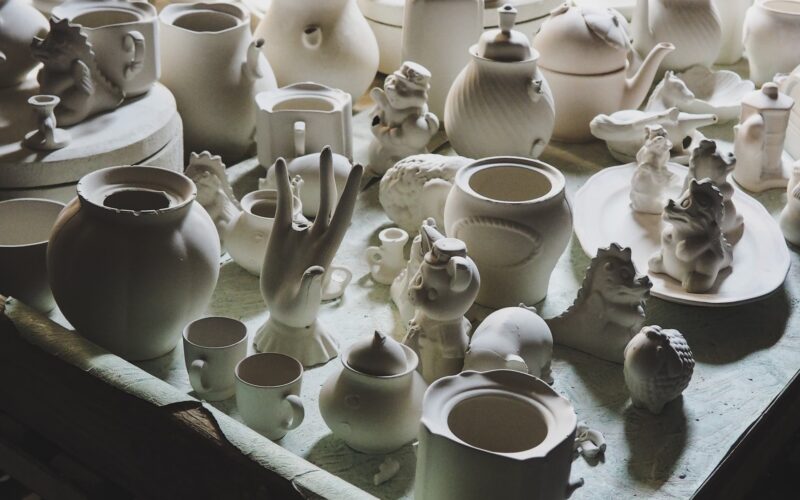
Ceramics are primarily produced by mixing clay and mineral powders in certain proportions. This mixture is shaped either by hand or with machines. The shaped products are then fired at high temperatures in special kilns, which hardens and strengthens them.
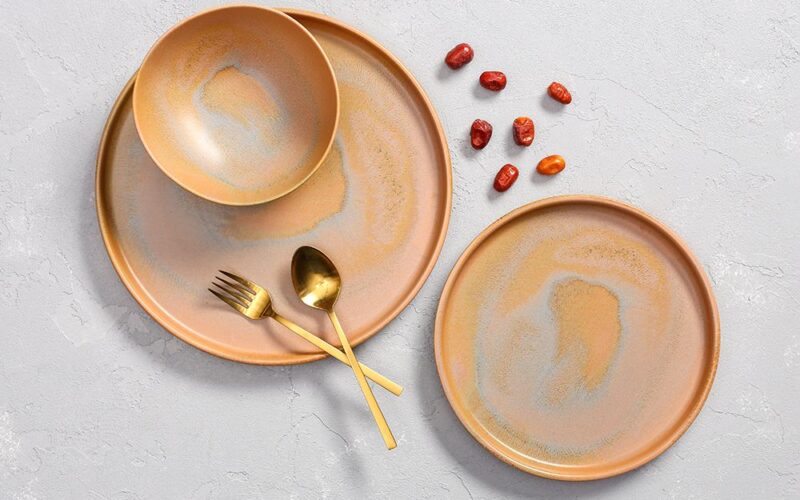
Ceramics are widely used in pottery, porcelain production, ceramic art, tile making, and mosaic work. In pottery, functional items such as bowls, dishes, pots, and mugs are produced for daily use. Ceramic art is a broad field where materials are shaped and decorated to create unique artistic works.
With its durability, health safety, and aesthetic qualities, ceramic is an important material. It is used across a wide range of applications, from kitchen utensils and building facades to decorative art and industrial functions. Both handmade traditional ceramics and industrial ceramics produced with modern techniques play a significant role in daily life.
What Are the Characteristics of Ceramic?
Durability:
Ceramic materials are hardened through high-temperature firing, making them strong and resistant to mechanical stress and impact.
High Heat Resistance:
Ceramics can withstand high temperatures, which is why they are commonly used in kitchenware, oven dishes, and industrial applications.
Chemical Resistance:
Ceramics resist chemical substances. They do not degrade or change color when exposed to acids or bases.
Electrical Insulation:
Ceramic materials provide excellent electrical insulation and are used as insulating components in electrical devices.
Thermal Insulation:
Ceramics have good heat insulation properties. They retain heat well and do not conduct it easily.
Environmentally Friendly:
Ceramics are made from natural resources and are recyclable, making them an environmentally friendly material.
How Can You Tell the Difference Between Porcelain and Ceramic?
Porcelain and ceramic can sometimes be confused due to their similar appearance. However, there are clear distinctions between the two. Key points to help differentiate them include:
Material Composition:
Porcelain is made from specially selected, high-quality raw materials, while ceramic is produced from varying mixtures of clay and minerals. Porcelain is a specialized type of ceramic that typically uses feldspar, kaolin, and quartz.
Hardness and Translucency:
Porcelain is harder than ceramic and gains a glass-like translucency through high-temperature firing. As a result, porcelain products appear more refined and glossy.
Water Absorption:
Porcelain has very low water absorption, making it non-porous and stain-resistant. Ceramics may have higher water absorption and can absorb liquids.
Durability:
Porcelain is more durable than ceramic due to being fired at higher temperatures, resulting in greater hardness and strength.
Color and Pattern Variety:
Porcelain is usually white or light-colored, while ceramics can be produced in a wider range of colors and patterns.
Areas of Use:
Porcelain is commonly preferred for kitchenware, dinnerware, and decorative items. Ceramics have broader applications, ranging from pottery and tiles to mosaics and ceramic art.
What Are the Health Effects of Porcelain and Ceramic?
Porcelain and ceramic materials have been used in daily life for centuries. Their effects on health depend largely on proper production standards and usage conditions.
Since porcelain and ceramic products are made from natural raw materials, they are generally safe for food use. However, some low-quality ceramic and porcelain products, particularly those imported without proper standards, may contain toxic substances such as lead or cadmium. These substances can be harmful, especially to children. Lead and cadmium are toxic to the nervous system, kidneys, and bones.
For this reason, it is essential to ensure that ceramic and porcelain products that come into contact with food are certified as food-safe. Products with food-contact safety certifications can be used with confidence. At this point, Porland porcelain dinnerware sets can be an excellent and reliable choice.