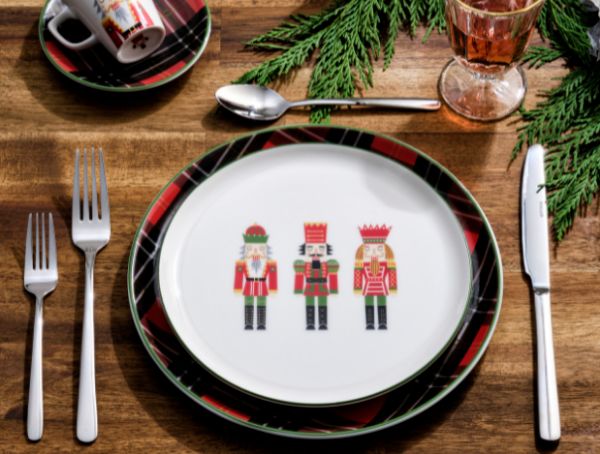
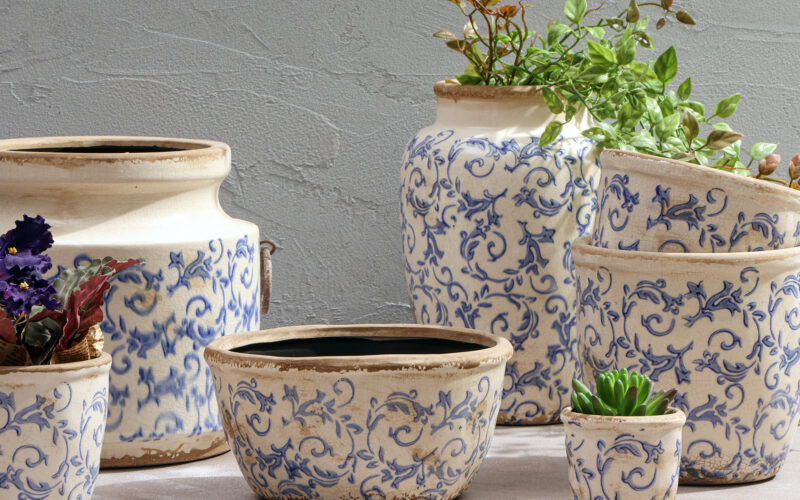
Stoneware is one of the oldest and most fundamental techniques in pottery and ceramic production. This method involves shaping a mixture of clay and water and firing it at high temperatures. Stoneware products are well known for their durability and heat resistance.
What Is Stoneware?
Stoneware is a type of clay used in the production of ceramic products. When fired at high temperatures, this clay gains an extremely hard and durable structure. Stoneware items are commonly used in many kitchen and tableware products such as cookware, plates, bowls, and oven dishes.
Compared to traditional ceramic products, stoneware has a denser structure and typically features simple, natural color tones. Thanks to these qualities, stoneware products meet everyday kitchen needs while also adding an aesthetic touch to the table. Their strength, durability, and stylish appearance have made stoneware products a popular choice.
What Is the Difference Between Stoneware and Other Ceramic Products?
The differences between stoneware and other ceramic products become clear when looking at raw materials, firing methods, properties, and maintenance.
Stoneware clay is fired at very high temperatures, resulting in products that are extremely hard and durable. Other ceramic products may use different types of clay or firing techniques, which leads to different characteristics. For example, porcelain ceramics have a thinner and more delicate structure and are usually white in color, while earthenware ceramics are thicker and have a more traditional appearance.
Stoneware is often preferred by those seeking durability and functionality, while other ceramic types may appeal more to those looking for elegance and refinement.
What Are the Characteristics of Stoneware Products?
Stoneware products are highly durable and resistant to high temperatures, making oven cooking easy and practical. Their hard surfaces are resistant to scratches and ensure long-lasting use. In addition, the naturally non-stick surface of stoneware prevents food from sticking, offering a major advantage in terms of cleaning.
Stoneware products are available in various colors and patterns, adding elegance and visual appeal to your table. They also have the ability to retain heat for a long time, helping preserve flavor during serving.
What Types of Stoneware Products Are Available?
Plates, serving bowls, mugs, bowls, dinner sets, and cups form the wide and distinctive product range of Porland’s stoneware collection. Each piece offers an excellent balance between durability and aesthetics.
Plates are ideal for food presentation and are available in different sizes and designs, making it easy to serve all types of dishes. Serving bowls allow salads, pasta, desserts, and more to be presented stylishly. Mugs enhance beverage enjoyment, while bowls are practical for snacks and soups. Cups are designed for serving hot drinks and enjoying them comfortably.
Porland’s stoneware series offers an excellent option for both everyday use and special occasions.
Advantages of Stoneware
Some key advantages of stoneware products include:
- Durability: Stoneware products are resistant to high temperatures and impacts, ensuring long-lasting use.
- Non-Stick Surface: The surface prevents food from sticking, making cooking and cleaning easier.
- Aesthetic Appeal: Natural colors and patterns add an elegant touch to table settings.
- Functionality: Suitable for oven use, microwave use, and dishwasher cleaning.
- Health-Friendly: Stoneware is a safe ceramic type that does not release harmful substances when in contact with food.
- Long-Term Use: Thanks to their durability, stoneware products can be used for many years, making them a long-term investment.
How Should Stoneware Be Cleaned and Maintained?
Before first use, wash new stoneware products with warm water and dish detergent, then rinse thoroughly to remove any production residues.
After use, clean stoneware items promptly with warm water, a small amount of dish detergent, and a soft sponge or brush. Avoid using harsh sponges or abrasive cleaning products, as they may scratch the surface.
For dried stains or stuck-on food, you can gently rub the surface with a damp cloth and a small amount of baking soda. Baking soda helps loosen and remove stubborn stains.
After cleaning, stoneware products should be dried thoroughly and stored in a well-ventilated area. Storing them in closed cabinets or sealed containers is not recommended, as trapped moisture can cause unpleasant odors.
With regular care and proper cleaning, stoneware products can be used hygienically and for a long time.
What to Consider When Using Stoneware
When using stoneware products, keep the following points in mind:
- Gradual Heating and Cooling: Stoneware should not be exposed to sudden temperature changes. Heating frozen food directly or placing a hot item onto a cold surface may cause cracking. Allow gradual heating and cooling.
- Careful Handling: Stoneware items should be handled carefully during transport. Provide sufficient support, especially for large and heavy pieces.
- Avoid Hard Tools: The surface can be sensitive to scratches. Do not use abrasive sponges or harsh cleaning tools.
- Removing Burns and Stains: Use gentle cleaners like baking soda for stubborn stains. Avoid sharp metal tools or knives.
- Follow Manufacturer Instructions: Always follow the care and usage instructions provided by the manufacturer, as individual products may have specific requirements.
By following these guidelines, you can enjoy the durability, beauty, and functionality of stoneware products for many years.