Rustic décor takes inspiration from the materials and designs traditionally used in rural homes. Natural materials such as wood, stone, ceramic, and metal are frequently featured in this style.
What Does Rustic Mean?
Rustic is a term that conveys meanings such as natural, simple, traditional, and rural. It is generally used to describe objects or styles that have a natural and slightly worn appearance. Rustic represents an aesthetic approach that moves away from modernism and the complexity of urban life, reflecting a natural, rural, and understated atmosphere.
The rustic style is commonly seen in décor and design where wood, stone, iron, and other natural materials are used, often alongside handmade or vintage elements. The aim of rustic design is to create a sense of warmth, sincerity, and lived-in comfort. It highlights natural beauty and traditional craftsmanship and is especially popular in rural homes and mountain houses.
What Is Meant by Rustic Style?
Rustic style seeks to escape the chaos of modern urban living by creating a natural, simple, and traditional atmosphere. Key characteristics of this style include distressed or aged furniture, warm color palettes, handmade textiles, stone walls, wooden ceiling beams, and rustic accessories.
Inspired by countryside farmhouses, rustic décor focuses on creating a welcoming and cozy environment. It can be defined as a decorative approach that values natural materials, craftsmanship, and the beauty of nature.
Key Elements of Rustic Décoration
Natural Materials
Rustic décor strongly embraces the use of natural materials. Wood, stone, and iron form the foundation of this style. Wood is especially prominent and is used across furniture, flooring, ceiling beams, and decorative details. Its warm and organic texture shapes the overall rustic atmosphere.
Stone is another defining element, often used in walls, fireplaces, or countertops. Its raw appearance contributes significantly to the character of rustic interiors. Iron is frequently seen in metal accessories, lighting fixtures, or furniture details.
Aged and Distressed Appearance
A defining feature of rustic style is the preference for worn and distressed furniture to convey a sense of history and authenticity. Scratches, faded colors, natural wear, and slight imperfections are embraced as part of the design language. These features add texture and allow spaces to tell a story shaped by time.
Warm Color Palette
Rustic décor aims to create warmth and intimacy, which is why warm color palettes are commonly used. Shades of brown, earth tones, beige, green, orange, and deep red are frequently seen. These colors harmonize with nature and enhance the cozy feeling of interior spaces.
Brown and earthy tones pair especially well with wooden furniture and flooring, emphasizing the warmth of natural materials and adding comfort to interiors.
Handmade and Vintage Items
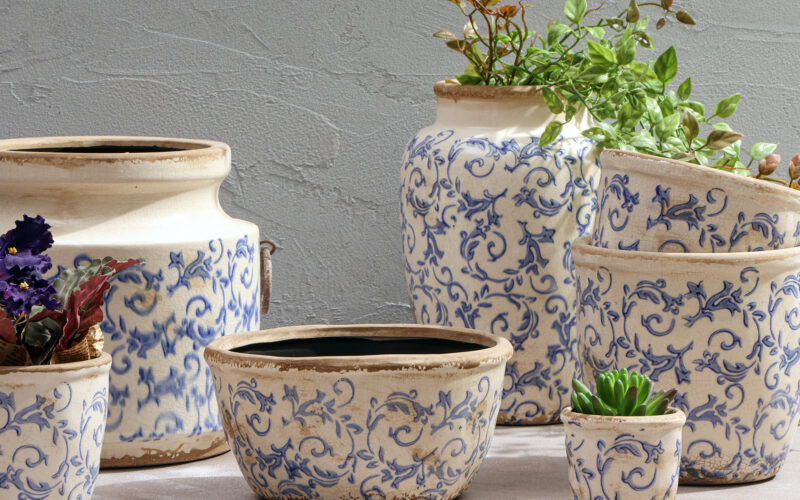
Handmade and vintage pieces play a crucial role in defining the personality of rustic décor. Handmade items reflect craftsmanship and uniqueness, while vintage objects carry history and character. Each piece contributes its own story, adding depth and authenticity to the space.
Signs of wear, color fading, and small imperfections on these items reflect the passage of time and bring historical richness to interiors, creating a warm and meaningful environment.
Natural Light and Spacious Areas
Brightness and openness are essential in rustic interiors. Large windows are a key feature, allowing ample natural light to enter the space. This light highlights wooden surfaces, enhances the textures of rustic furniture, and brings out the true colors of natural materials.
Large windows also create a sense of openness and help bring the outdoors inside, making seasonal changes more visible and enriching the living experience.
Nature-Inspired Themes
Rustic décor seeks to bring nature indoors, making natural themes an essential element. Botanical patterns are often used in textiles such as curtains, cushions, and throws, adding freshness and vitality to interiors.
Wooden accessories are indispensable in rustic style. Items like wooden door handles, wall shelves, frames, and tabletop décor pieces emphasize natural textures and create a relaxed, organic atmosphere.
Stone Walls and Wooden Beams
Stone walls and wooden ceiling beams are signature features of rustic interiors. Stone walls add texture and natural depth, while wooden beams showcase the beauty and character of wood, contributing strong visual interest and authenticity.
Comfortable Furniture
Large sofas and armchairs are central to rustic décor, emphasizing comfort and relaxation. These pieces create inviting gathering spaces for family and guests. Thick cushions and natural fabrics reinforce the warmth of the style.
Wood is the most commonly used material in rustic furniture. Distressed finishes enhance the lived-in feel, while handmade or vintage pieces add uniqueness and charm.
Advantages of Rustic Décoration
Rustic décor offers many advantages. It brings warmth, sincerity, and natural beauty into living spaces. By using materials like wood and stone, rustic interiors gain character and rich textures.
This style creates a personal and unique atmosphere by reflecting the beauty of nature indoors. It is also ideal for those seeking relaxation and escape from daily stress. Natural light, open spaces, warm colors, and comfortable furniture all contribute to a calming environment.
Ultimately, rustic décor enhances not only the aesthetic appeal of a home but also its livability and comfort.
Common Misconceptions About Rustic Décoration
There are several misconceptions about rustic décor. One common belief is that every item must look distressed, whereas rustic style can be balanced with modern or clean-lined pieces.
Another misconception is that rustic décor is suitable only for rural homes. In reality, it can be applied to urban apartments, country houses, and mountain retreats alike. In addition to wood, materials such as stone, iron, leather, and kilims can also be incorporated.
The color palette is not limited to warm tones either. Rustic décor allows for a broader range of colors and can be adapted creatively to personal preferences and the specific needs of a space.