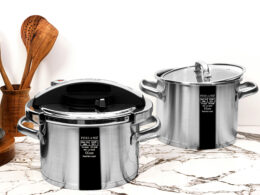
Pans are among the most frequently used tools in the kitchen and they play a key role in preparing delicious meals. However, if the wrong cleaning methods are used, the lifespan of the pan may decrease and the flavor of the food may be affected. In this guide, you will learn the correct cleaning techniques for each pan type, helping you keep them shiny and functional while improving the taste of your dishes.
How to Clean a Pan?
Pan hygiene is essential for both food safety and good cooking results. Pans are exposed to oil, heat and food residues that can accumulate over time. Cleaning them properly ensures longer durability and prevents unwanted flavors from transferring to your meals.
The best way to start is by letting the pan cool down and softening any remaining food with warm water. After that, wash the pan using mild dish soap and a soft sponge. Abrasive sponges and harsh cleaners can damage the surface, so these should be avoided. Rinse thoroughly and dry completely to prevent stains and rust.
Regular and correct cleaning keeps your pans hygienic and always ready to use.
Pan Cleaning Methods
Each pan type has its own structure and requires a suitable cleaning method. Using the wrong technique can damage the coating or base and negatively affect cooking performance.
Granite Pan Cleaning
Granite pans are durable and known for their nonstick surface. Allow the pan to cool before washing. Use warm water, mild detergent and a soft sponge. Avoid abrasive sponges and harsh chemicals because they can scratch the coating. After rinsing, dry the pan with a soft cloth.
Stainless Steel Pan Cleaning
Stainless steel pans are strong and long lasting, but burnt residues require special care. First, soften burnt bits with water. Then clean the pan using white vinegar and baking soda. This natural combination removes stains without scratching the surface. Wash with detergent, rinse well and dry immediately to prevent rust spots.
Cast Iron Pan Cleaning
Cast iron pans are valued for their heat retention and longevity. However, they can rust easily. After rinsing with water, dry the pan immediately. Apply a thin layer of oil to protect the surface and maintain its nonstick quality. Avoid using soap if possible. Warm water and a soft brush are usually enough for cleaning.
Teflon Pan Cleaning
Teflon pans offer convenience with their nonstick surface, but they must be cleaned gently. Use mild dish soap and a soft sponge. Never use metal utensils or abrasive scrubbers because they can scratch the coating. After washing, rinse and dry the pan carefully.
Porcelain Pan Cleaning
Porcelain pans require careful handling. Wash using mild detergent and a soft sponge. Avoid abrasive tools that can damage the porcelain coating. If there are stuck food residues, fill the pan with warm water and let it sit for a few minutes before cleaning. Rinse and dry completely to maintain the glossy finish.
How to Clean the Bottom of a Pan?
The underside of pans often darkens due to heat exposure. To clean this area, make a paste using baking soda and a small amount of water. Apply the paste to the bottom of the pan, wait a few minutes and gently scrub with a soft sponge. For stubborn stains, add a few drops of vinegar to increase the cleaning power.
Common Mistakes When Cleaning Pans
One of the biggest mistakes is rinsing the pan with cold water while it is still hot. This can cause warping. Using abrasive tools such as steel wool can scratch nonstick surfaces and permanently damage coatings.
Using too much soap, especially on cast iron pans, leaves residue and affects taste. Another frequent mistake is neglecting the bottom of the pan, which leads to heat distribution problems over time.
Avoiding these mistakes helps keep your pans functional and looking new.
Tips to Prevent Pans from Burning
Preventing your pans from burning is possible with a few simple habits. First, avoid heating the pan on high heat. Let it warm gradually over medium heat. This prevents burning and helps food cook evenly.
Add oil only after the pan is sufficiently hot. Adding oil too early can cause sticking and burning. With cast iron or stainless steel pans, applying a thin layer of oil before cooking helps protect the surface.
If you are looking for durable and elegant pans, you can explore Porland’s high quality pan collection. These pans help you cook healthy meals while adding a stylish touch to your kitchen. Discover the Porland pan collection and bring both flavor and aesthetics to your table.