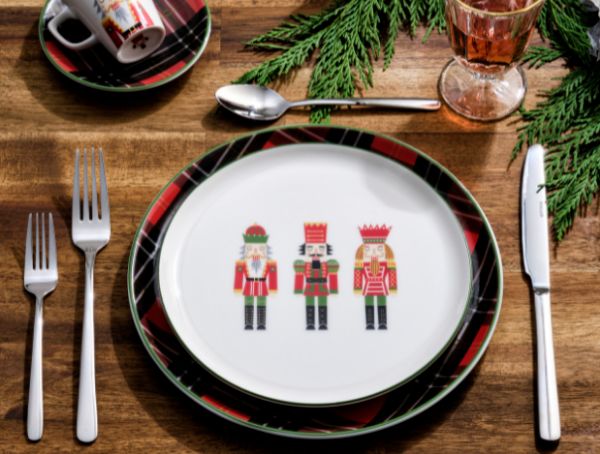
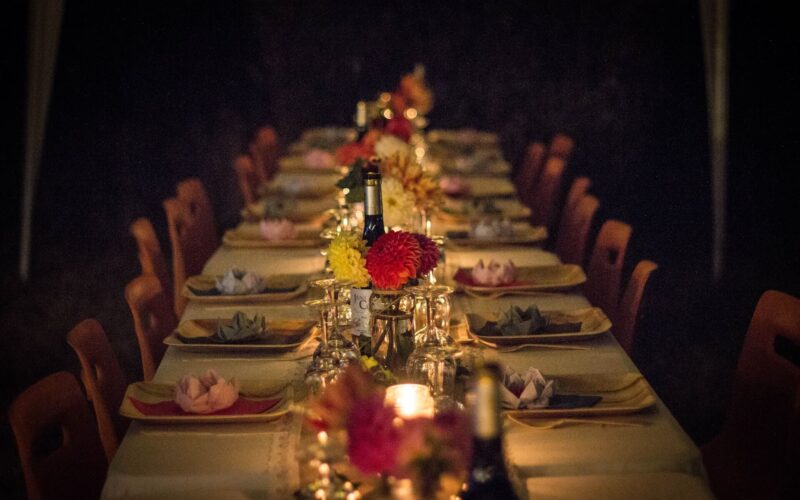
The arrangement of forks, knives, and spoons on a dining table is an important detail that contributes to both an aesthetic table setting and an enjoyable dining experience. This arrangement follows certain rules, with each utensil placed according to its purpose and position. A correct table setting allows guests to eat comfortably and turns the meal into a more pleasant experience.
Ideal Fork, Knife, and Spoon Arrangement
In a traditional table setting, the fork is usually placed on the left side of the plate. The knife is placed on the right side of the plate, with the sharp edge facing inward toward the plate. The spoon is positioned to the right of the knife. This layout makes it easy to use each utensil during the meal. In more detail:
Fork Arrangement
The main dinner fork should be the closest fork on the left side of the plate. The salad fork is placed next to it, usually on the outer side. The dessert fork is positioned horizontally above the plate, centered.
Spoon Arrangement
On the right side of the plate, the soup spoon is placed on the outermost side. A teaspoon may be positioned closer to the plate if needed. The dessert spoon is placed horizontally above the plate, usually alongside the dessert fork.
Knife Arrangement
Dinner knives are placed on the right side of the plate, next to the plate itself, with the blade facing inward. Dessert knives, if used, are placed horizontally above the plate.
Why Is Proper Cutlery Arrangement Important?
Following the correct fork, knife, and spoon arrangement is essential for presenting a well-organized and elegant dining table. This arrangement creates a refined atmosphere and helps everyone at the table eat comfortably and with ease.
A properly arranged table reflects respect for guests and enhances the visual appeal of the setting. When cutlery is placed correctly, eating becomes more practical and effortless. Each utensil being in its proper place supports a smooth dining flow and eliminates confusion.
Additionally, adhering to standard table settings reflects social etiquette and accepted dining norms. By following these rules, you contribute to a pleasant dining experience for yourself and everyone at the table.
How Should Plates Be Arranged?
In plate arrangement, the main dinner plate is placed directly on the table for each guest. Smaller plates, such as starter or salad plates, may be placed on top of the main plate. This approach makes serving easier and keeps the table organized.
For special meals, serving plates designed for specific dishes can be placed in front of guests to enhance presentation. It is also important to ensure that plates are clean, free of stains or cracks, and uniformly hygienic for all diners.
Table Manners
Table manners are an essential part of maintaining order and politeness at the dining table. Some basic table etiquette rules include:
- Using cutlery properly: The fork is held in the left hand and the knife in the right hand. Choosing the correct utensils according to the dish being served is important.
- Hands on the table: Keeping hands visible on the table while eating is considered polite and helps maintain proper posture.
- Avoid speaking loudly: Conversations should be kept at a moderate volume during meals.
- Finishing the plate: Finishing what is on your plate shows appreciation to the host. However, it is acceptable to leave food if you are full.
- Clean hands: Hands should be clean before sitting at the table and throughout the meal.
- Respectful behavior: Courtesy and respect toward other guests and the host are essential.
- Proper posture: Sitting upright and comfortably contributes to both personal comfort and the table’s visual elegance.
Dining etiquette strengthens social relationships and is an important part of food culture. Following these rules helps create a refined and enjoyable dining experience.
Points to Consider
For a pleasant dining experience, there are several important points to keep in mind. Dining tables bring families and guests together and create lasting memories.
Key considerations include:
- Cleanliness and organization: A clean and orderly table creates a welcoming atmosphere. Preparing the table before the meal makes guests feel valued.
- Serving equipment: Using the correct plates, cutlery, glasses, and other serving items enhances both functionality and elegance.
- Decoration: Decorative elements such as flower arrangements, candles, or table linens can make the dining table more inviting.
- Comfort: Comfortable seating and appropriate table height increase enjoyment, especially during longer meals.
- Variety of dishes: Offering a range of flavors enriches the dining experience for guests.
- Healthy and balanced choices: Choosing nutritious and balanced meals supports overall well-being and encourages mindful eating habits.
Paying attention to these details helps ensure a beautiful and enjoyable dining experience. Tables filled with delicious food and shared moments create happiness for both you and your guests.